


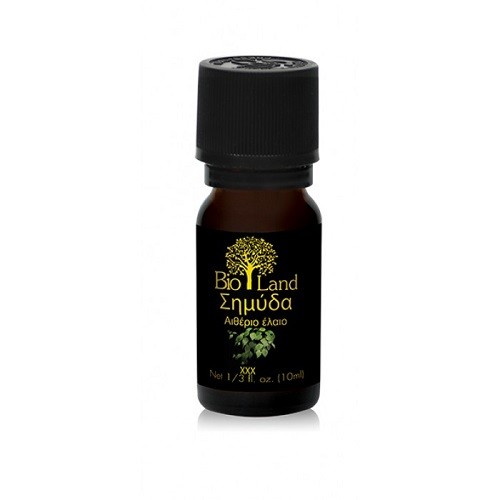

The birch is an elegant and graceful tree that reaches a height of 15 meters. It has slender, delicate branches and leaves that move easily in the wind. The tree is characterized by its white, papyrus bark, which is detached in plates. The base of the trunk is gray and wrinkled. The branches have small bumps. Deciduous tree. Leaves alternate, ovate, pointed, toothed, which in autumn acquire a golden-yellow color. It has many varieties that thrive in Europe, America and Asia. It responds to temperate climates, forests and gardens, while it is also cultivated as an ornamental plant. It blooms in April and May. The young leaves, the buds, the milky juice collected from the trunk and the bark are used for therapeutic purposes. The leaves are collected in late spring or summer either before they open or when they are fully open. This beautiful tree was known hundreds of years ago for its healing properties. The people of Siberia considered it the Cosmic Tree and for the Russians it was the symbol of spring. The Celts considered it the tree of the dead (they covered them with its leaves) but above all, they had it as a symbol of transformation because it grew on the highest slopes of all the other deciduous trees.
INDICATIVE WAYS OF USE
- Anti-cellulite – Mix 50 ml of Cinnamon vegetable oil, 50ml of Birch oil, and 10 drops of Birch essential oil. Put a small amount on the area of interest, and massage 2-3 times a day.
- Muscle aches – Joints – Mix 50 ml of base oil, 50 ml of Spatholado oil, and 10 drops of Birch essential oil. Put a small amount on the affected area of interest, and massage 2-3 times a day.
Gout is an extremely beneficial herb, as it helps reduce uric acid in the body, the factor that causes this condition.
Basic properties
- Diuretic
- Antiseptic
- Stimulant
- Inflammations and infections of the urinary system
- Decongestants
- Gout
- Rheumatism – mild arthritic pain
- Helps digestion
- It has antipyretic action
- Skin diseases – lichens
- Panades
- Gout
- Cellulite


There are no reviews yet.