


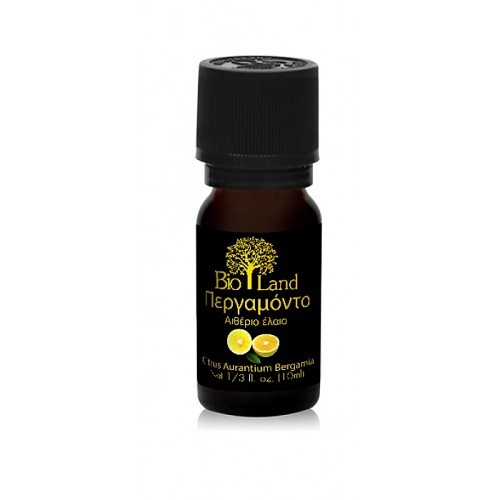

Bergamot is the fruit of the Bergamot tree. It is a very nutritious citrus fruit with a wonderful aroma. Regarding his name, there are two evaluations. The first says that the name of the fruit which in Turkish is Bergamot comes from bey armudu as it was called in Anatolia and in its transfer to European languages it changed and ended up in bergamot. The second evaluation says that in the 16th century, European merchants and phytologists who came to Anatolia, gave the tree this name, because they discovered it in the city of Bergama. It originates from South Asia and today is cultivated mainly in warm climates, in Southern Italy and Southern France, in Calabria and Ivory Coast. In Greece, it is cultivated in Corinth, Argolida, Corfu, Cephalonia, Andros and Crete. In Turkey it is produced in the cities of Antalya, Mersin, Hatay and Adana.
INDICATIVE WAYS OF USE
- For urinary tract infection – In the bathtub, in hot water so that it covers your hips, pour 3 drops of bergamot essential oil, 3 drops of lavender and 3 drops of tea tree. Sit in the bathtub for 10 minutes. Repeat daily for a week. To prevent recurrence, mix 3 drops of bergamot essential oil and 3 drops of lavender oil in a teaspoon of salt and dissolve it in 250 ml of distilled water. Rinse with this solution each time you use the toilet.
- For relaxation and calm – Pour 5-8 drops of bergamot essential oil in your bathtub and immerse in water. Sit for a long time and relax.
DO NOT USE INSOLVENTLY
Basic properties
- Stimulates the endocrine system, causing calm and relaxation
- Stimulates hormone secretion and helps maintain proper metabolic rate
- Helps reduce triglycerides
- Helps lower blood sugar
- Helps prevent lice and other parasites
- Strong antimicrobial and antifungal
- Helps with depression and insomnia
- Soothes the headache
- It cures the flu and stops nausea
- Ideal for mosquito bites
- Acne treatment
- Sore throat
- Effective for eczema
- Against oral infections
- Urinary tract infections


There are no reviews yet.